
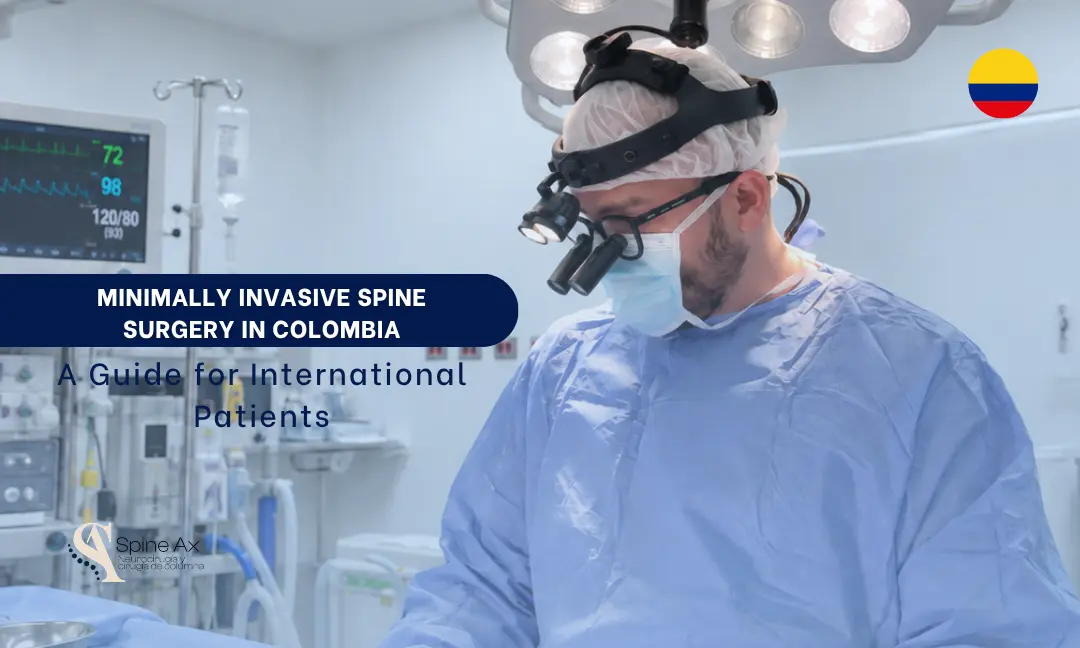

WRITTEN BY DR. JUAN CARLOS PÉREZ
Dr. Juan Carlos Pérez Rodríguez
Spine Neurosurgeon – Co-author of research published in Brain and Spine (EANS), 2026
SpineAx - Spine surgery and comprehensive pain management
Bogotá, Colombia
If you are considering minimally invasive spine surgery in Colombia, you are probably looking for much more than a surgical procedure.
You want to know whether surgery is truly necessary, whether a minimally invasive approach could be appropriate for your condition, who will perform the operation, where it will take place, how much it may cost, how long you may need to remain in Colombia, and what happens once you return home.
I am Dr. Juan Carlos Pérez, a neurosurgeon and spine surgeon at SpineAx in Bogotá, Colombia. I evaluate and treat patients with cervical, thoracic, and lumbar spine conditions, including international patients who have already been advised to undergo surgery and want another medical opinion before making a decision.
For someone living abroad, I believe the process should begin before purchasing a plane ticket.
Through a virtual consultation, I can review your symptoms, medical history, previous treatments, and diagnostic images. If surgery appears medically appropriate, we can then discuss the proposed procedure, hospital care, estimated costs, recovery, expected stay in Colombia, and postoperative follow-up.
If you already have an MRI, CT scan, X-rays, or medical reports, you can send them to our team and request a virtual consultation before planning your trip.
What Is Minimally Invasive Spine Surgery?
Minimally invasive spine surgery, commonly known as MISS, refers to a group of surgical techniques that allow us to access the spine while limiting unnecessary disruption of muscles and surrounding tissues.
Depending on the procedure, I may use smaller incisions, specialized instruments, tubular retractors, magnification, or imaging guidance to reach the area that requires treatment.
The goal, however, is not simply to make a smaller incision.
The real objective is to adequately treat the structural problem that is producing symptoms while protecting the surrounding anatomical and neurological structures as much as possible.
In selected procedures, minimally invasive techniques have been associated with potential advantages such as reduced tissue disruption, lower blood loss, and shorter hospitalization. However, these techniques still involve surgical risks, and their benefits depend on the patient’s diagnosis, overall health, type of procedure, and the experience of the surgical team (Boadi et al., 2024).
For this reason, I do not recommend minimally invasive surgery simply because the technique exists. First, I need to determine whether it can properly address the problem affecting your spine.
Who May Be a Candidate for Minimally Invasive Spine Surgery?
A patient cannot be considered a candidate based only on an MRI report.
When I evaluate someone, I look at the entire clinical picture: symptoms, physical examination, neurological findings, previous treatments, medical history, and imaging studies.
Minimally invasive techniques may be considered in selected patients with conditions such as:
- Herniated discs
- Spinal stenosis
- Cervical or lumbar nerve compression
- Degenerative disc disease
- Certain forms of spinal instability
- Conditions requiring nerve decompression
- Selected cases requiring spinal fusion
Having one of these diagnoses does not automatically mean that surgery is necessary.
Many spine conditions can initially be managed with medication, rehabilitation, therapeutic procedures, activity modifications, or other conservative strategies.
My first question is therefore not simply whether I can operate.
It is whether surgery is medically justified and which treatment offers the most appropriate balance between potential benefit and surgical risk.
Why Do International Patients Consider Spine Surgery in Colombia?
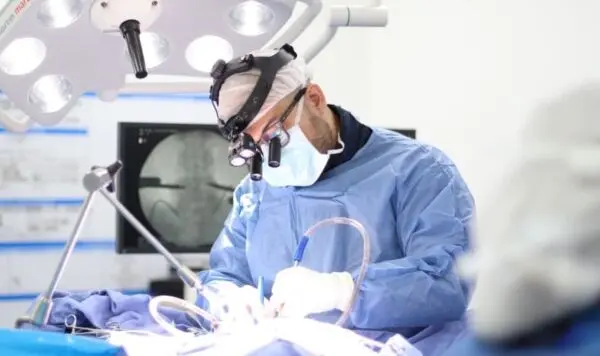
Patients contact SpineAx from abroad for different reasons.
Some have already received a surgical recommendation in their home country and want a second opinion. Others are exploring spine surgery abroad because they want access to specialized care while also evaluating alternatives that may be more financially accessible.
Others want to understand whether a less invasive surgical option may be possible before accepting a procedure that has already been proposed elsewhere.
For me, however, cost should never be the only reason to choose where to have spine surgery.
A safe and well-organized international treatment plan should consider several elements together:
- The medical indication for surgery
- Experience of the specialist
- Hospital environment
- Technology required for the procedure
- Surgical and anesthesia planning
- Postoperative monitoring
- Rehabilitation
- Length of stay in Colombia
- Follow-up after returning home
That is why I prefer to organize the process before the patient travels.
The international patient journey can begin with a medical record review and virtual consultation, followed—when appropriate—by treatment planning, travel preparation, in-person assessment, surgery, hospitalization, early recovery, return home, and remote follow-up.
This helps reduce uncertainty and allows the patient to understand what the process may involve before making a major international trip.
Why Consider Colombia for Spine Surgery Abroad?
For patients considering treatment outside their home country, Colombia can be an option worth evaluating when specialized medical attention is combined with a carefully organized international care process.
Your medical evaluation can begin from home
You do not necessarily need to travel simply to find out whether surgery may be appropriate for your condition.
Remote Medical Review
Before your arrival, I can review your available medical information, understand previous recommendations and discuss your condition with you.
Individual Treatment Planning
We can identify whether additional studies are needed and determine which treatment options should be considered before you organize your trip.
Organized Travel & Care
If surgery is considered appropriate, our team can help organize the medical stages of your visit and prepare for your postoperative period.
Surgery is only one part of the journey. Accommodation, transportation, postoperative mobility, traveling with a companion, recovery time and your return flight should all be considered before you leave your country.
Meet Your Spine Surgeon in Colombia
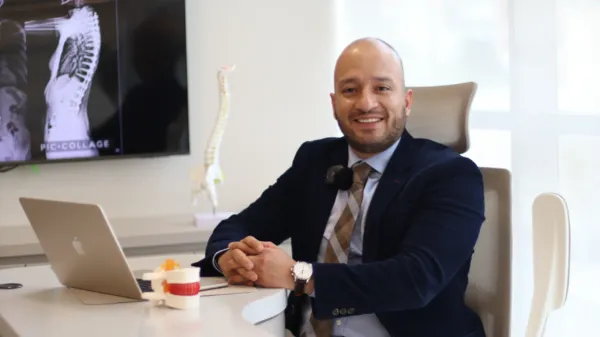
I am Dr. Juan Carlos Pérez Rodríguez, a neurosurgeon focused on the diagnosis and surgical treatment of spine conditions.
When I evaluate an international patient, I focus especially on three questions.
Is surgery truly necessary?
An abnormal imaging study does not automatically require an operation.
MRI findings must be interpreted together with your symptoms, physical examination, neurological findings, and previous response to treatment.
Which procedure is appropriate?
Two patients with apparently similar diagnoses may require different treatments.
The surgical approach depends on the exact location of the problem, neurological involvement, instability, previous operations, number of spinal levels involved, general health, and treatment objectives.
Can recovery and international travel be organized safely?
A patient who lives in another country requires additional planning.
Before surgery, I need to consider hospitalization, mobility, pain control, wound care, rehabilitation, postoperative reviews, and the appropriate timing for air travel.
These factors should be part of the surgical plan from the beginning.
Conditions That May Be Treated With Minimally Invasive Spine Surgery
Minimally invasive techniques can be used to treat different spinal conditions, but the appropriate procedure depends on the diagnosis, the structures involved, and the patient’s symptoms. Below are some of the conditions I commonly evaluate to determine whether a minimally invasive surgical approach may be suitable.
Herniated Disc
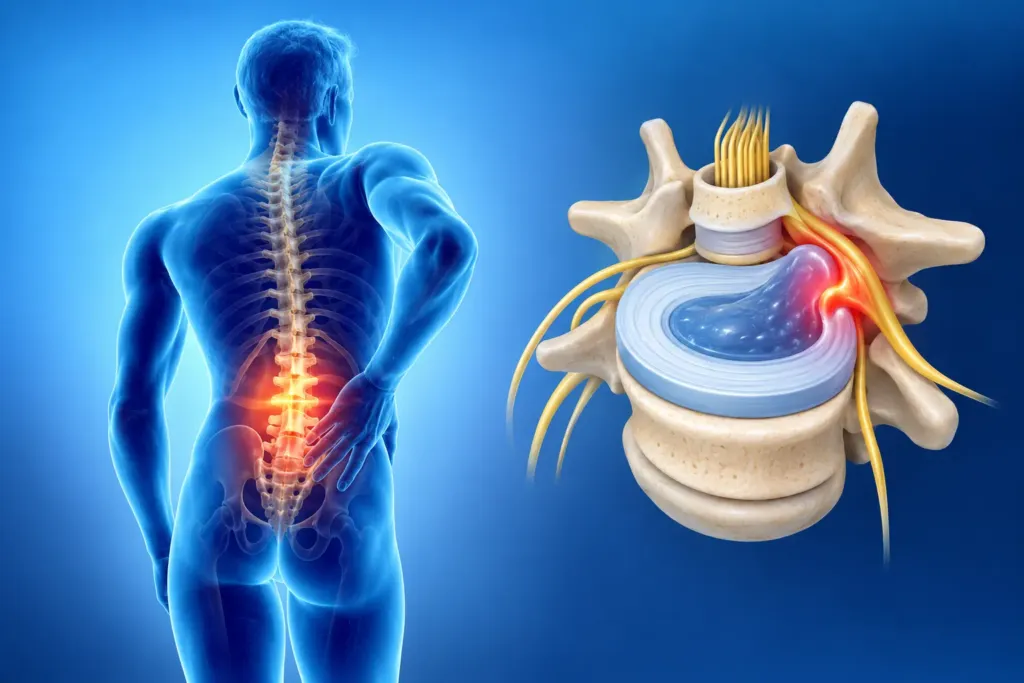
A herniated disc can irritate or compress a nerve and cause pain, numbness, tingling, or weakness in an arm or leg.
Many patients improve without surgery.
However, when symptoms persist despite appropriate treatment, neurological deficits develop, or clinically significant nerve compression is present, a minimally invasive decompression or disc procedure may be considered.
Spinal Stenosis
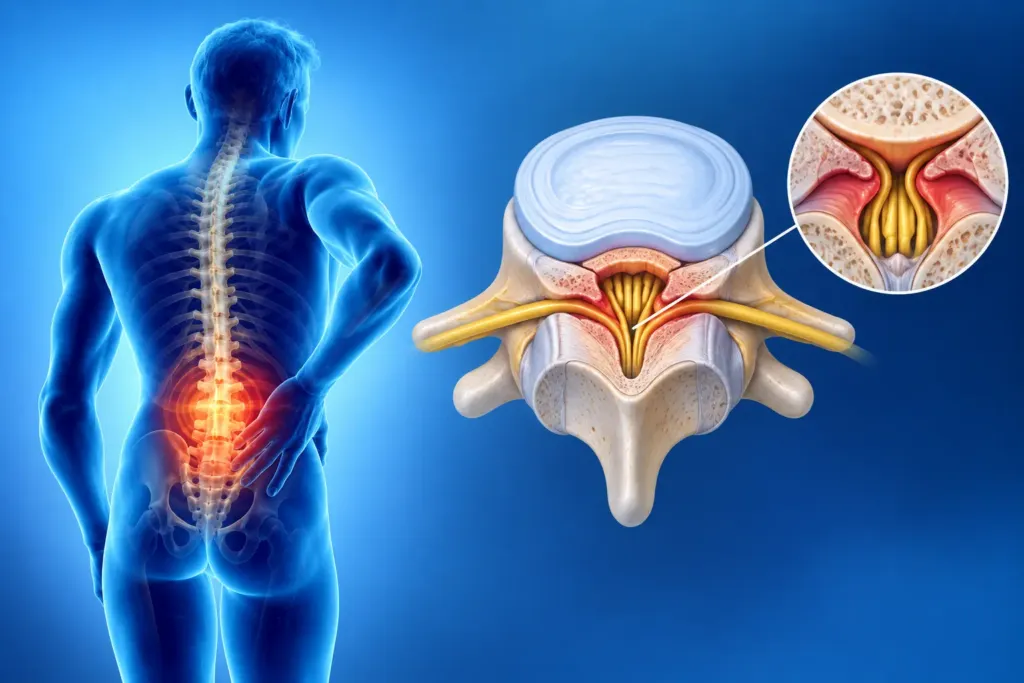
Spinal stenosis occurs when the space available for the nerves becomes narrowed.
Patients may experience pain, numbness, weakness, or difficulty walking.
In selected cases, minimally invasive spine surgery for spinal stenosis may allow us to decompress the affected neural structures while limiting disruption of surrounding tissues.
Degenerative Spine Conditions
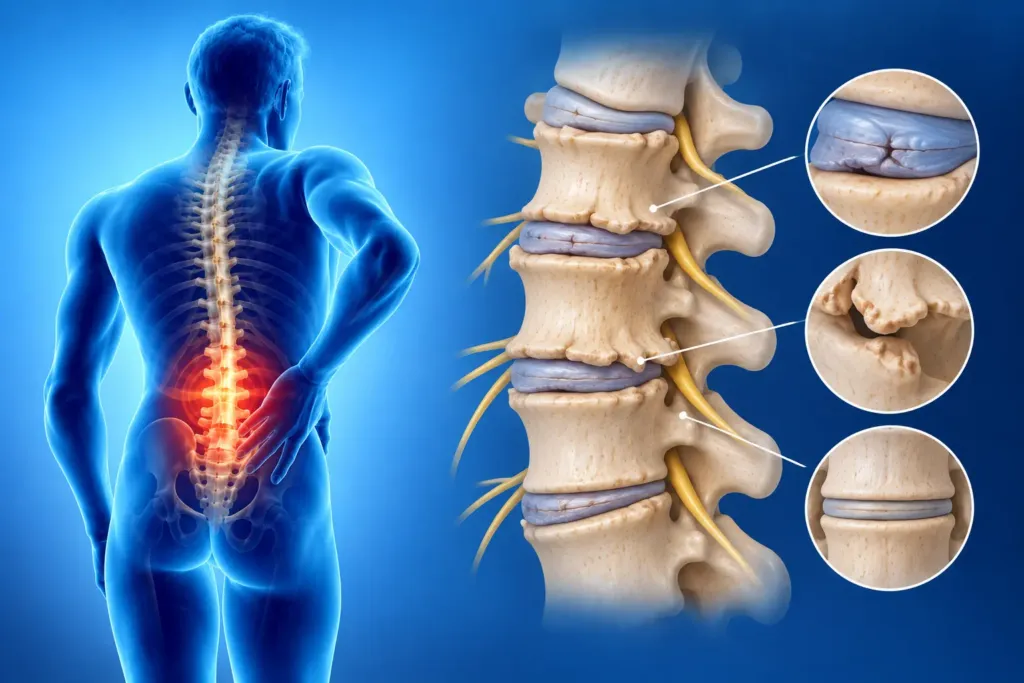
Disc degeneration, facet joint disease, instability, and nerve compression may appear together on diagnostic studies.
The key is identifying which findings actually explain the patient’s symptoms.
I do not believe that every abnormality visible on an MRI needs to be treated surgically.
Conditions Requiring Spinal Fusion
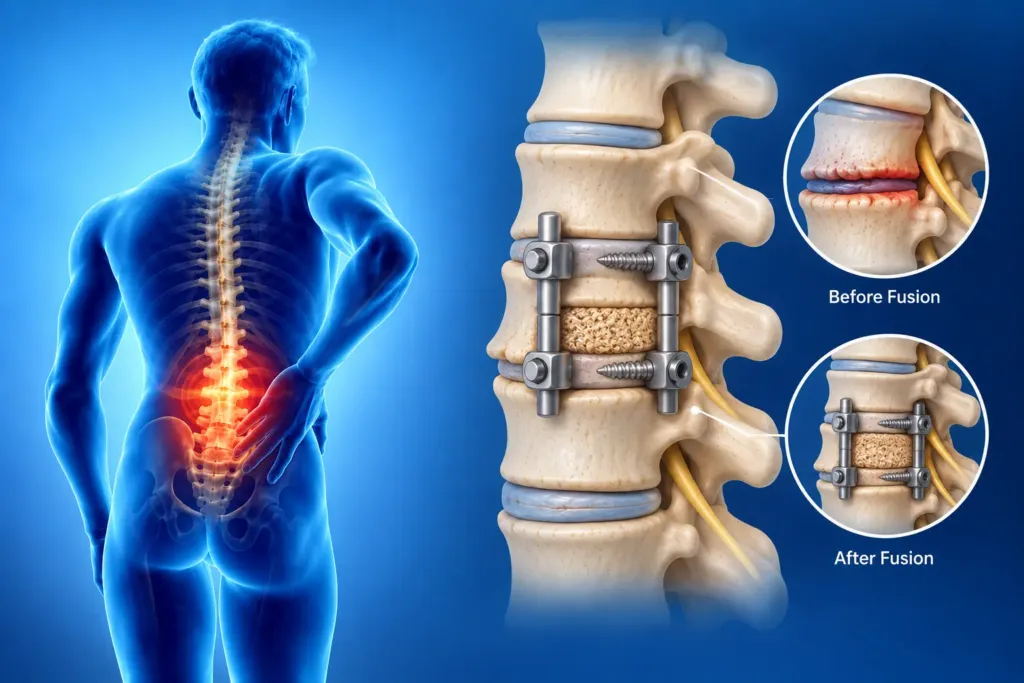
Some patients need stabilization in addition to decompression.
Depending on the anatomy and diagnosis, certain fusion procedures may be performed using minimally invasive techniques.
However, minimally invasive spinal fusion surgery is not appropriate for every patient. The decision has to be individualized.
Patient Stories: Real Experiences With Spine Surgery at SpineAx
Every spine condition is different, but hearing from patients who have already gone through treatment can help you better understand the surgical and recovery experience. These stories reflect individual experiences and should not be interpreted as a guarantee of the same outcome for every patient.
Miguel Fandiño: Spine Reconstruction Surgery
Miguel Fandiño shares his experience after undergoing spine reconstruction surgery with Dr. Juan Carlos Pérez. In his testimonial, he explains the physical and emotional challenges he faced before surgery and how his recovery impacted his mobility and quality of life.
Janie Caterin Barrera: Minimally Invasive 360° Spine Surgery for a Herniated Disc
After more than two years of severe leg pain, weakness, and reduced mobility caused by an L4-L5 herniated disc, Janie underwent minimally invasive 360° spine surgery with Dr. Pérez. In her testimonial, she describes her experience before surgery, her hospital stay, and her recovery afterward.
See what your next step could look like Request a virtual consultation and send us your medical studies for an initial review.
How much does minimally invasive spine surgery cost in Colombia?
There is no single price that applies to every patient. The cost depends on your diagnosis, the procedure required, and the medical resources needed for your specific case.
Your estimate should be based on your actual procedure
I prefer to evaluate the medical case first. Once the procedure has been defined, our team can prepare a more individualized estimate based on the real requirements of your treatment.
What can affect the final cost?
Several clinical and hospital-related factors can influence the total estimate.
Compare what is included, not just the final number
When comparing spine surgery abroad, it is important to understand whether the estimate includes the surgeon, hospital, anesthesia, implants when required, medical supplies, hospitalization, and postoperative care. Two prices can look very different because they may not include the same services.
Hospital Care and Technology for Spine Surgery
The hospital environment is an important part of the surgical plan.
The facility selected for a procedure should be appropriate for the complexity of the operation and the patient’s medical needs.
Depending on the case, spine surgery may require specialized surgical instruments, imaging support, anesthesia resources, postoperative monitoring, implants, or other technologies.
For this reason, the hospital and surgical resources are considered after I determine what procedure is actually required.
Before you travel, our team can explain where the proposed surgery would take place and what components are included in your treatment plan.
I encourage international patients to ask clear questions before choosing any destination for spine surgery:
- Where will my operation take place?
- Who will perform it?
- What type of anesthesia will be used?
- Will I need implants?
- How long might I remain hospitalized?
- What happens if I need additional postoperative monitoring?
- Who will follow my recovery after I leave the hospital?
For me, these questions are much more useful than choosing a surgical destination based only on price.
Start With a Virtual Consultation Before Traveling
One of the most practical advantages for an international patient is that the process can usually begin from home.
During a virtual consultation, I want to understand:
- What symptoms you have
- How long you have experienced them
- Whether you have numbness or weakness
- What treatments you have already tried
- Whether another surgeon has recommended surgery
- Whether you have undergone previous spine surgery
- What your imaging studies show
- How much the condition affects your daily activities
The objective is to determine whether traveling to Colombia for further evaluation or treatment makes medical sense.
A virtual consultation does not replace the in-person physical examination required before surgery.
However, it can help avoid unnecessary international travel before there is a clear medical plan.
What medical records should you send?
If possible, I recommend sending your most recent medical information. This helps me better understand your condition before your virtual consultation.
Documents that may be useful
You can send the studies and records you currently have available.
If another spine surgeon has already recommended a procedure, you can send that information as well so I can review it as part of your case.
You do not need to have every document before contacting us. We can begin with what is available and determine whether additional studies or tests are required.
Your spine surgery journey in Colombia
For international patients, I prefer to organize the process in clear stages, from your first medical review to the early recovery period before you return home.
Before you travel
I review your medical records, symptoms, and available imaging.
If surgery appears appropriate, we discuss the procedure and identify any additional evaluations that may be necessary.
Arrival in Colombia
After arrival, I perform an in-person evaluation to confirm the clinical findings and final treatment plan.
Additional laboratory testing, anesthesia assessment, or diagnostic studies may also be required.
Surgery and hospitalization
The length of surgery and hospital stay depends on the procedure.
Some minimally invasive procedures may involve shorter hospitalization, while more complex surgeries require additional observation.
Early recovery
Before you return home, I evaluate your mobility, neurological status, pain control, wound healing, and general progress.
I also make sure you understand your medications, activity restrictions, rehabilitation plan, and warning signs.
The goal is not simply to discharge you. It is to prepare you for the next stage of recovery and make sure you leave Colombia with a clear postoperative plan.
SpineAx Recovery: A Structured Postoperative Process
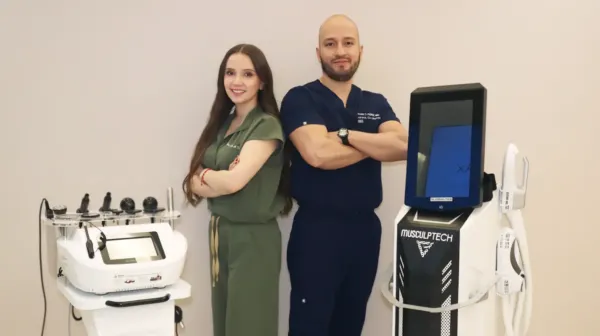
Recovery does not end when the surgical procedure is completed.
Mobility, muscle function, strength, confidence in movement, and progressive return to daily activities are also part of the process.
For this reason, we developed SpineAx Recovery, an approach designed to support patients during the postoperative period through structured medical follow-up, rehabilitation, and technology when clinically appropriate.
For an international patient, this is especially relevant because we have a limited period in Colombia to establish a recovery plan before the patient continues rehabilitation at home.
The objective is not to force a faster recovery.
It is to make recovery more organized, progressive, and closely followed.
Before you leave Colombia, we aim to provide clear guidance about what you can do, what you should avoid, and how your rehabilitation can continue after you return home.
How Long Should You Stay in Colombia After Spine Surgery?
There is no universal minimally invasive spine surgery recovery time.
A relatively limited decompression is very different from a multilevel fusion.
The recommended stay may depend on:
- Type of surgery
- Number of spinal levels treated
- Age and general health
- Use of implants
- Mobility after surgery
- Pain control
- Wound healing
- Neurological condition
- Length of the return flight
Before surgery, I can provide an estimated timeframe to help you organize accommodation and travel.
However, the final return date should also reflect how you are actually recovering after the procedure.
When Can You Fly After Spine Surgery?
There is no single number of days that applies to every patient.
International air travel may involve prolonged sitting, reduced mobility, airport transfers, luggage, and potential risk factors such as blood clots.
Before you travel home, I consider the procedure performed, your mobility, wound condition, pain control, neurological status, flight duration, and personal medical risks.
For this reason, I recommend maintaining some flexibility with your return travel whenever possible.
Follow-up after you return home
My relationship with an international patient should not end when the patient leaves Colombia. Depending on the procedure, follow-up can continue through virtual appointments.
Continuity matters after you return home
Virtual follow-up allows us to review your progress, answer questions, and guide the next stages of recovery even after you have left Colombia.
What may be reviewed during follow-up?
Depending on your procedure and stage of recovery, virtual consultations may include:
When local evaluation may be necessary
If a physical examination or urgent assessment becomes necessary, I may recommend that you consult a physician in your home country.
Know when to contact us
During follow-up, I want you to understand which changes are expected and which symptoms may require additional medical attention.
Request a Virtual Consultation With Dr. Juan Carlos Pérez
If you have been diagnosed with a spine condition, have already been advised to undergo surgery, or would like a second opinion, you can begin the process without traveling to Colombia.
Send us your MRI, medical reports, and relevant clinical history, and our team can help you arrange a virtual consultation.
My first objective is to understand what is happening with your spine and determine whether surgery is actually appropriate.
If minimally invasive surgery is a reasonable option, we can then discuss the procedure, hospital care, estimated costs, travel, recovery, and follow-up in detail.
Your treatment journey should begin with a clear medical plan—not with a plane ticket.

Frequently Asked Questions About Minimally Invasive Spine Surgery
How much does minimally invasive spine surgery cost in Colombia?
The cost depends on the diagnosis, procedure, hospital requirements, anesthesia, implants when necessary, and expected hospitalization.
After reviewing your case, we can determine which procedure is being considered and prepare a more individualized estimate.
How long do I need to stay in Colombia after surgery?
There is no standard number of days.
Your recommended stay depends on the procedure, mobility, pain control, wound healing, overall health, and length of your return journey.
I provide an estimated timeframe before surgery and reassess your ability to travel during postoperative follow-up.
Can my first consultation with the spine surgeon be online?
Yes.
International patients can begin with a virtual consultation and send their imaging studies and medical history in advance.
This allows us to discuss the case before you organize your trip to Colombia.
What studies should I send before my consultation?
Your most recent MRI and radiology report are usually particularly useful.
Depending on the condition, CT scans, X-rays, nerve studies, previous surgical reports, and information about previous treatments may also be helpful.
Do I need someone to accompany me to Colombia?
For many patients, traveling with a family member or trusted companion is advisable.
A companion can help with transportation, medications, luggage, and daily activities during the first stage of recovery.
Whether accompaniment is essential depends on the type of surgery and your individual condition.
What does the surgical estimate include?
The exact contents depend on the procedure.
Our team will explain which medical services are included and which expenses, if any, need to be considered separately.
When comparing treatment options, I recommend evaluating what each estimate actually contains rather than comparing only the final number.
How does follow-up work after I return to my country?
Follow-up can continue through virtual consultations.
Depending on your surgery, I can review symptoms, wound healing, medication, rehabilitation, and follow-up imaging.
If an in-person examination is necessary, we may also recommend evaluation by a physician in your home country.
When can I fly after minimally invasive spine surgery?
There is no universal timeframe.
The timing depends on the procedure, your recovery, mobility, wound condition, personal risk factors, and duration of the flight.
I prefer to evaluate each patient individually before confirming that international travel is appropriate.
Reference
Boadi, B. I., Ikwuegbuenyi, C. A., Inzerillo, S., Dykhouse, G., Bratescu, R., Omer, M., Kashlan, O. N., Elsayed, G., & Härtl, R. (2024). Complications in minimally invasive spine surgery in the last 10 years: A narrative review. Neurospine, 21(3), 770–803. https://doi.org/10.14245/ns.2448652.326
Medical disclaimer
This content is provided for informational and educational purposes only and does not replace an individualized medical evaluation, diagnosis, or treatment plan. Whether minimally invasive spine surgery is appropriate, the procedure required, expected recovery time, length of stay in Colombia, ability to travel, and treatment costs depend on each patient’s diagnosis, medical history, imaging studies, physical examination, and clinical progress. Surgical outcomes and recovery vary from patient to patient, and no specific result can be guaranteed. If you are experiencing severe or worsening symptoms, new weakness, loss of bowel or bladder control, or another medical emergency, seek immediate medical attention.

