

Dr. Juan Carlos Pérez
Neurosurgeon & Spine Surgeon
Pontificia Universidad Javeriana — Minimally invasive spine fellowship, Brazil
Bogotá, Colombia
When back pain, nerve compression, spinal deformity, or degenerative disc disease starts to limit how you move and live, finding the right treatment becomes urgent. In many cases, spine surgery can relieve pressure on the nerves, restore stability, and improve quality of life when conservative treatments are no longer enough. For international patients exploring high-level care outside their home country, spine surgery in Colombia has become an increasingly attractive option, not only because of the medical expertise available, but also because patients can access advanced treatment in a setting that feels far more personal and supportive than they may expect.
At SpineAx, we believe patients deserve both clinical excellence and clarity when making such an important decision. Choosing spinal surgery in Colombia does not mean compromising on quality for cost. It means accessing experienced specialists, modern surgical techniques, and a more efficient cost structure that often makes treatment more accessible than in other countries. In this guide, we will walk you through the main types of surgery, who may be a candidate, what recovery can look like, which factors influence spine surgery cost Colombia, and why SpineAx is a trusted choice for patients seeking expert, affordable spine surgery with confidence.
What is Spine Surgery and when is it recommended?
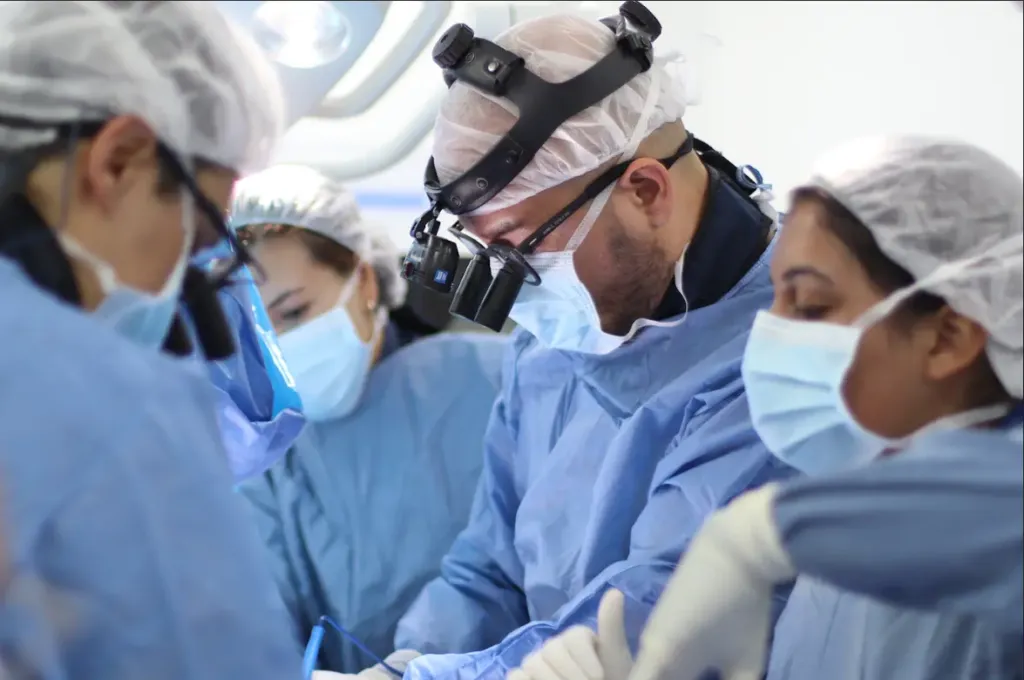
Spine surgery is a broad term that refers to procedures used to treat structural problems in the spine or relieve pressure on the nerves or spinal cord. Depending on the diagnosis, surgery may be recommended to remove compression, restore stability, correct deformity, or improve overall spinal function. In practical terms, it is not just about treating pain. It is about addressing the underlying cause of symptoms when that cause has been clearly identified.
Not every patient with back pain needs surgery. In fact, many spine conditions can improve with conservative treatment, including physical therapy, medication, injections, rehabilitation, and lifestyle adjustments. Surgery is usually considered when symptoms persist despite appropriate non-surgical care, when nerve compression is affecting strength or sensation, or when there is instability or deformity that is unlikely to improve on its own. At SpineAx, that distinction matters. The goal is not to operate unnecessarily, but to recommend the treatment that makes the most medical sense for each patient.
In general, surgery may be considered when:
- Pain continues despite well-guided conservative treatment
- There is numbness, tingling, or weakness caused by nerve compression
- Spinal deformity or instability is progressing
- Daily activities, mobility, or quality of life are being significantly affected
Is Back Surgery in Colombia right for every patient?
No, and it should never be presented that way. Some patients have imaging findings that look significant but do not need surgery. Others may have persistent symptoms that point to a condition where surgery could offer meaningful relief. That is why the decision must be based on expert evaluation, not on imaging alone and not on symptoms in isolation.
At SpineAx, we determine whether back surgery in Colombia is the right option by looking at the full clinical picture: symptoms, physical examination, imaging, prior treatments, functional limitations, and the likelihood that surgery will improve the patient’s condition. For international patients, this level of evaluation is especially important, because the goal is not simply to travel for treatment, but to travel for the right treatment.
A specialist may decide that surgery is not necessary when:
- Symptoms are mild or occasional
- Conservative treatment is still working
- There is no meaningful nerve compression or instability
- The patient can function well without progressive limitations
A patient may be a stronger surgical candidate when:
- Symptoms have become persistent or disabling
- Conservative options have already been tried without enough improvement
- There is clear nerve compression, weakness, or loss of function
- The spine shows instability, deformity, or another structural issue that requires correction
The key question is not “Can this be operated on?”
The real question is “Will surgery meaningfully improve this patient’s condition?”
Common conditions treated with Spinal Surgery in Colombia
Patients who consider spinal surgery in Colombia do not all have the same diagnosis. Spine surgery includes a wide range of procedures because spinal disorders can affect discs, nerves, vertebrae, joints, alignment, and stability in very different ways. A precise diagnosis is what guides the surgical plan.
Common conditions include:
Herniated discs
A spinal disc can bulge or rupture and press on a nearby nerve, causing pain, numbness, tingling, or weakness, often in the arm or leg.
Spinal stenosis
This condition involves a narrowing of the spinal canal or surrounding spaces, which can place pressure on the nerves and affect walking, balance, or mobility.
Scoliosis
An abnormal spinal curvature that may lead to pain, imbalance, progression over time, and functional limitations in some patients.
Degenerative disc disease
Age-related or progressive disc changes can contribute to chronic pain, reduced mobility, and instability in certain cases.
Spinal instability
When part of the spine moves abnormally, it can create pain, mechanical dysfunction, and nerve irritation.
Chronic nerve compression
Long-term pressure on a nerve can lead to persistent pain, weakness, altered sensation, and loss of function if left untreated.
At SpineAx, we approach these conditions with the same principle: surgery should be based on diagnosis, not guesswork. For patients exploring spine surgery in Colombia, that means receiving a careful, medically grounded assessment that looks beyond symptoms alone and focuses on what will provide the safest and most effective path forward.
Types of Spine Surgery in Colombia
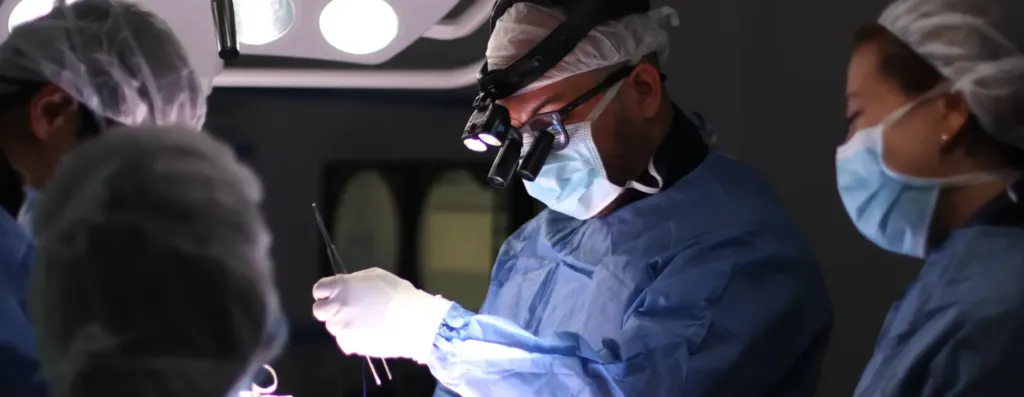
There is no single procedure that fits every spinal condition. Spine surgery in Colombia may involve decompression, correction, stabilization, or a combination of techniques, depending on what is causing the patient’s symptoms. At SpineAx, the right surgical plan is always tailored to the individual case. Diagnosis comes first, and the choice of procedure depends on several factors, including the location of the problem, the severity of symptoms, the patient’s age and overall health, and the goals of treatment.
Some patients need surgery to relieve nerve compression. Others need a procedure that restores stability or corrects deformity. In some cases, the priority is to reduce radiating pain; in others, it is to preserve function, improve alignment, or prevent further progression. That is why surgical expertise matters. The name of the procedure is only one part of the decision. What matters most is whether the operation matches the condition it is meant to treat.
Learn more about disc arthroplasty surgery, a motion-preserving alternative to traditional fusion offered at SpineAx.
Lumbar Spine Surgery in Colombia
Lumbar spine surgery in Colombia refers to procedures performed in the lower back, which is one of the most common areas affected by pain, disc problems, stenosis, and instability. Because the lumbar spine bears much of the body’s weight and plays a major role in movement, symptoms in this area can have a major impact on mobility, work, sleep, and daily life.
This type of surgery is often considered in patients with a lumbar disc herniation, narrowing around the nerves, or mechanical instability in the lower spine. It may be recommended when symptoms do not improve with conservative treatment, when nerve compression is causing radiating leg pain or weakness, or when the lower back has become structurally unstable. The exact procedure depends on the problem being treated, but the overall goal is the same: reduce symptoms, protect nerve function, and improve quality of life.
Common reasons for lumbar surgery may be considered:
✔Persistent lower back and leg pain
✔Lumbar disc herniation with nerve irritation
✔Spinal stenosis affecting walking or standing
✔Instability in the lower spine
✔Symptoms that have not improved with non-surgical care
Herniated Disc Surgery in Colombia
A herniated disc does not always require surgery, but it can become a surgical issue when the disc places significant pressure on a nerve and symptoms remain severe or progressive. Herniated disc surgery in Colombia is usually considered when patients continue to have radiating pain, numbness, tingling, or weakness despite appropriate conservative treatment.
The purpose of surgery is to relieve pressure on the affected nerve. In many cases, that means removing the part of the disc that is compressing the nerve root. This can be especially important when pain travels down the arm or leg, when weakness begins to appear, or when symptoms interfere with sleep, mobility, or basic daily activities. At SpineAx, the decision to operate on a herniated disc is based not just on imaging, but on how well the symptoms, examination, and scans match the diagnosis.
Common symptoms that may point to surgical evaluation:
✔Sharp radiating pain into the leg or arm
✔Numbness or tingling along a nerve pathway
✔Weakness in the affected limb
✔Persistent symptoms despite structured non-surgical care
Scoliosis Surgery in Colombia
Scoliosis surgery in Colombia may be considered when spinal curvature is severe, progressive, or clearly affecting function, balance, pain, or quality of life. Not every patient with scoliosis needs surgery, but in more advanced cases, surgical correction may become an important part of treatment.
The goal of surgery is not only cosmetics. It may help improve spinal alignment, restore better balance, reduce pain, and protect long-term function. In complex cases, scoliosis surgery also requires careful planning because deformity affects more than one level of the spine and may involve rotation, imbalance, or associated degeneration. This is why experienced matters so much. Patients considering scoliosis surgery should be evaluated by specialists with real expertise in complex spinal deformities, not just routine spine procedures.
In scoliosis care, precision is everything. The curve itself is only part of the picture. Alignment, stability, symptoms, and long-term function all matter.
Spinal fusion in Colombia
Spinal fusion in Colombia is a procedure used to stabilize one or more segments of the spine by encouraging two vertebrae to heal together into a more stable unit. It is not needed in every case, but it can be very important when there is instability, deformity, certain degenerative conditions, or when stabilization is necessary after decompression.
A fusion may be recommended when abnormal motion between vertebrae is contributing to pain, nerve irritation, or mechanical dysfunction. It may also be part of treatment for scoliosis, spondylolisthesis, recurrent disc problems, or more complex reconstructive cases. The purpose is to create stability where the spine can no longer function well on its own. As with any spine procedure, the decision to perform a fusion should be highly individualized and based on clear structural indications.
A fusion may be considered when there is:
✔Segmental instability
✔Progressive deformity
✔Recurrent or advanced degenerative changes
✔A need for stabilization after another spinal procedure
Minimally invasive Spine Surgery in Colombia
Minimally invasive spine surgery in Colombia refers to techniques designed to treat certain spinal conditions through smaller surgical access points, with less disruption to surrounding muscles and soft tissues. It is not a different diagnosis, and it is not automatically better in every situation. It is a surgical approach that can be highly effective in properly selected cases.
Potential advantages may include less tissue trauma, a more comfortable early recovery, and in some cases a shorter hospital stay. For the right patient, minimally invasive techniques can provide meaningful benefits while still addressing the underlying problem effectively. However, not all patients are candidates. Some conditions require open or more extensive surgery to achieve the safest and most complete result. At SpineAx, the best approach is never chosen for marketing value. It is chosen because it is the right technical solution for the patient’s anatomy, diagnosis, and treatment goals.
Potential benefits in selected cases may include:
✔Less disruption of muscles and soft tissues
✔Reduced postoperative discomfort in some patients
✔Faster early mobilization
✔Shorter hospital stays in certain procedures
Across all these procedures, the principle remains the same: the best results come from matching the right surgery to the right diagnosis. For patients exploring spine surgery in Colombia, that means choosing a team that understands not only how to operate, but when to operate, what technique to use, and how to build a treatment plan around the patient rather than around a single procedure name.
Find expert answers, personalized care, and a clear path to treatment with SpineAx.
Why patients consider Spine Surgery abroad
For many international patients, the decision to seek treatment outside their home country is not driven by price alone. It often begins with the search for something equally important: timely access to the right specialist, a clear treatment plan, and a level of attention that feels more personal and responsive. In spine care, that matters. When symptoms are affecting mobility, sleep, work, or nerve function, long waiting periods and fragmented care can make an already difficult situation even harder.
This is one of the reasons more patients are exploring spinal fusion abroad and other advanced spine procedures. In the right setting, treatment abroad can offer access to experienced specialists, modern surgical techniques, efficient scheduling, and a more coordinated patient experience from evaluation through recovery. But the real value is not simply going elsewhere. It is choosing a center with proven expertise, sound medical judgment, and a team that understands how to care for international patients with the same rigor they would expect at home.
Medical Tourism Colombia Spine: Why Colombia stands out
Colombia has become an increasingly attractive destination for patients seeking specialized medical care, and spine surgery is no exception. For those researching medical tourism Colombia spine, the country offers a combination that is difficult to ignore: highly trained physicians, modern medical infrastructure, recognized surgical expertise, and a healthcare environment that can feel more accessible and patient-centered than many expect.
Just as important, Colombia is well positioned for international care. Patients often value the ability to receive specialized treatment with smoother logistical experience, from travel planning to preoperative coordination and follow-up support. At SpineAx, we understand that traveling for surgery is not just a medical decision. It is a personal one. That is why the experience must be well organized, medically sound, and built around trust from the very beginning.
Affordable Spine Surgery without compromising quality
The phrase affordable spine surgery can sometimes create the wrong impression, as if a lower overall cost must mean lower standards. In high-quality international care, that should never be the assumption. A more accessible treatment pathway does not have to come at the expense of expertise, technology, or patient safety. In many cases, it reflects differences in healthcare economics rather than differences in medical capability.
That is part of what makes spine surgery in Colombia so appealing to many international patients. Colombia can offer highly specialized spine care with a more competitive cost structure than countries where treatment may be significantly more expensive. When patients choose carefully, they are not choosing between affordability and quality. They are choosing a setting where both can exist at the same time, supported by experienced specialists, modern techniques, and a more personalized model of care.
Spine Surgery Cost Colombia: What influences the cost?
The cost of spine surgery is never one-size-fits-all. Every spinal condition is different, every surgical plan is different, and every patient arrives with a different set of medical and logistical needs. That is why any serious conversation about spine surgery cost Colombia should focus less on generic numbers and more on the factors that shape the overall treatment plan.
At SpineAx, we believe patients should understand what drives value, not just what appears on a quote. The most important question is not simply what surgery costs, but what the treatment includes: the complexity of the procedure, the expertise of the surgical team, the technology involved, the level of hospital care, and the structure of recovery and follow-up. For international patients in particular, the full picture matters more than an isolated number.
Factors that influence Spine Surgery Cost in Colombia
Several elements can affect the final cost of treatment. The first is the type of surgery itself. A straightforward decompression is not the same as a complex deformity correction or a multi-level stabilization procedure. The more technically demanding the case, the more planning, operating time, and resources it may require.
Case complexity also plays a major role. A patient with a single-level disc problem may need a very different surgical approach than someone with spinal instability, scoliosis, prior surgery, or multi-level degeneration. The technology used can also influence the overall cost, especially when advanced imaging, instrumentation, navigation, or minimally invasive techniques are involved.
Hospital stay is another factor. Some patients may require shorter recovery periods in the hospital, while others need a more extended stay depending on the procedure and their overall condition. Preoperative studies, postoperative follow-up, and the involvement of a multidisciplinary surgical team also shape the total treatment plan. For international patients, there may be additional considerations as well, including travel timing, recovery coordination, and individualized planning before returning home.
Key factors often include:
- The type of surgery being performed
- The complexity of the diagnosis and anatomy
- The technology and surgical techniques required
- Length of hospital stay
- Preoperative testing and postoperative follow-up
- Surgical team expertise and professional fees
- Individual planning needs for international patients
Why Spine Surgery in Colombia can be more cost-effective
One of the main reasons international patients consider spine surgery in Colombia is that it can offer a more favorable overall cost structure than treatment in many other countries. That does not mean the care is simplified or compromised. It means the healthcare environment may allow patients to access specialized treatment, hospital care, and expert surgical attention in a more cost-effective setting.
What matters most is that cost-effectiveness and quality are not mutually exclusive. Colombia can offer highly trained professionals, advanced surgical care, and a more personalized patient experience while remaining more financially accessible than other markets. For many patients, the value lies not just in the procedure itself, but in the full continuum of care: expert evaluation, clear communication, surgical precision, recovery planning, and continuity after treatment. That is the kind of value international patients should be looking for when comparing options abroad.
For a detailed Colombian-peso breakdown of procedure fees, hospital stay, implants and anesthesia, see our full guide on the cost of spine surgery in Colombia (2026) (Spanish).
How to choose the best Spine Surgeon Colombia
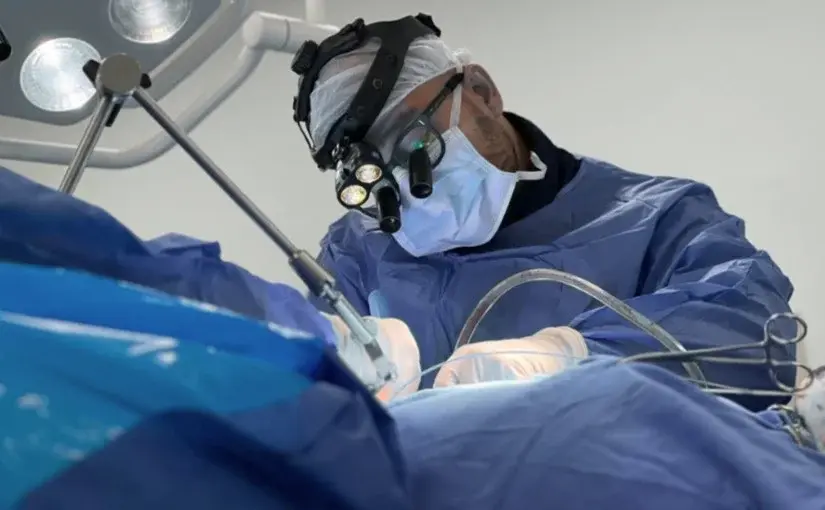
Choosing the right surgeon is one of the most important parts of the treatment process. When patients search for the best spine surgeon Colombia, they should look beyond reputation alone and focus on what truly affects outcomes: specialized training, experience with the specific condition being treated, sound clinical judgment, and the ability to build a treatment plan around the patient rather than around a routine procedure. A strong spine specialist does not simply recommend surgery. They explain why it is needed, whether it is the right option, and what the goals of treatment should be in that case.
That is especially important in spine care, where two patients with similar symptoms may need very different solutions. Some need decompression, some need stabilization, some need deformity correction, and some may not need surgery at all. The best results come from a personalized surgical strategy based on diagnosis, symptoms, imaging, function, and long-term goals. At SpineAx, we believe expertise should be paired with clarity. Patients should understand not only the procedure being proposed, but also why that approach makes sense for their specific condition.
What international patients should look for in a spine Surgeon in Colombia
For international patients, confidence starts with knowing what to evaluate. A qualified spine surgeon in Colombia should have the credentials, training, and procedural experience needed to manage both common and complex spinal conditions. But beyond qualifications, patients should also look for a team that communicates clearly, plans carefully, and understands the practical needs of someone traveling for treatment.
Here are some of the most important things to look for:
Read more about Dr. Juan Carlos Pérez’s training and leadership in spine surgery (Spanish).
- Strong professional qualifications and relevant specialty training
- Experience performing complex spine procedures, not just routine cases
- A multidisciplinary support structure when needed
- Clear, transparent communication before any treatment decision
- Thoughtful preoperative and postoperative planning
- Familiarity with the needs of international patients, including coordination and follow-up
A good surgical experience begins long before the operation itself. Patients should feel that their questions are being answered directly, their diagnosis is being explained clearly, and their care is being organized with precision. That kind of preparation builds trust and often makes the entire process smoother, safer, and less stressful.
Why expertise matters in Spine Surgery
In spine care, expertise influences far more than the technical act of surgery. It affects diagnostic accuracy, procedure selection, operative planning, risk management, and recovery strategy. An experienced spine surgeon is often better equipped to determine when surgery is appropriate, when a less invasive option may be enough, and when more complex reconstruction is necessary to achieve a durable result.
That is why patients should think in terms of a team, not just a procedure. The success of spine surgery depends on more than what happens in the operating room. It depends on evaluation, surgical judgment, anesthesia coordination, hospital care, rehabilitation planning, and postoperative follow-up. When patients choose an experienced team, they are not simply choosing someone to perform a procedure. They are choosing the structure around that procedure, which can have a meaningful impact on safety, recovery, and overall confidence throughout the process.
You do not have to keep living with pain. Speak with SpineAx and discover your next step.
Recovery after back Surgery in Bogotá, Colombia
Recovery after back surgery in Colombia is not the same for every patient. It depends on the diagnosis, the type of procedure performed, the number of spinal levels involved, the patient’s overall health, and how the body responds after surgery. Some people recover more quickly after smaller procedures, while others need a longer and more gradual process, especially after complex stabilization or deformity correction.
In general, recovery involves much more than rest. It usually includes early mobilization when appropriate, medical follow-up, wound care, symptom monitoring, and in many cases a structured rehabilitation plan. Patients are typically guided on how to move safely, when to resume basic activities, and what to expect during each stage of healing. At SpineAx, we emphasize that good recovery starts before surgery. Preparation matters, and so does the quality of postoperative support. The best outcomes are usually built through a combination of proper planning, careful technique, and close follow-up after the procedure.
Recovery is not just about healing from surgery. It is about protecting the result, restoring function, and helping the patient return to daily life as safely as possible.
Recovery after Minimally Invasive Spine Surgery in Colombia
Recovery after minimally invasive spine surgery in Colombia may feel more manageable for some patients because these techniques can reduce disruption to muscles and surrounding soft tissues. In properly selected cases, that may translate into less early discomfort, faster mobilization, and a shorter hospital stay compared with more extensive procedures. However, that does not mean recovery is automatic or effortless. Even when the surgical approach is less disruptive, healing still requires discipline, monitoring, and adherence to medical instructions.
It is also important to understand that minimally invasive surgery is not appropriate for every diagnosis. Some spinal conditions require a more extensive operation to achieve the safest and most effective result. For that reason, recovery should never be judged only by the size of the incision, but by the nature of the problem being treated and the technical demands of the procedure. What matters most is that the surgical approach matches the patient’s condition and that recovery is guided with the same level of care as the operation itself.
Structured recovery protocols matter. In 2021, the Spine Journal published an international Enhanced Recovery After Surgery (ERAS) consensus statement for lumbar spinal fusion, recommending multimodal analgesia, early mobilization and patient education as standards that can reduce complications and improve recovery (Debono B et al., 2021, PMID 33444664). At SpineAx we follow these same principles for every international patient.
How International Patients can prepare for surgery and recovery in Colombia
For international patients, preparation is a critical part of a successful surgical experience. Before traveling, patients should go through a proper medical evaluation, review imaging and previous treatments, and make sure the surgical team has the information needed to confirm diagnosis and planning. Once surgery is being considered, travel arrangements, lodging, timing, and local support become part of the recovery strategy, not just the logistics.
Patients should also plan for the practical side of healing. Depending on the procedure, they may need to remain in Colombia for a period of postoperative observation, follow-up visits, or early rehabilitation before returning home. The exact length of stay will vary by case, which is why individualized planning is essential. Support from a companion can also be helpful, especially in the early days after surgery. After returning home, patients benefit from a clear follow-up plan, which may include remote communication, coordinated medical guidance, and specific instructions for recovery in their home country.
A smooth recovery often depends on good preparation in five areas:
- Preoperative medical assessment
- Travel and lodging planning
- Postoperative support during the stay
- Realistic expectations about time in the country
- Coordinated follow-up after returning home
For patients considering spine surgery in Colombia, recovery should be viewed as part of the full treatment journey. The procedure is only one phase. The planning before it and the support after it are just as important in helping patients feel safe, informed, and well cared for throughout the process.
Read how Sean overcame chronic lumbar pain after spine surgery in Colombia (real patient testimonial, Spanish).
What the Literature Says About Minimally Invasive Spine Surgery
A review published in Revista Medicina highlighted that minimally invasive spine surgery was developed with a clear principle in mind: reducing unnecessary tissue damage while still achieving the goals of the procedure. The authors found that these techniques have shown positive clinical impact in selected patients, including strong surgical outcomes, high patient satisfaction, and a favorable cost-benefit profile. At the same time, the review emphasizes an important clinical point that we fully agree with at SpineAx: minimally invasive surgery is not the right option for every case, and proper patient selection remains essential to achieving the best results.
A 2022 matched cohort in the Journal of Neurosurgery: Spine compared minimally invasive versus open lumbar fusion, finding comparable patient-reported outcomes while the minimally invasive group had shorter hospital stays and less blood loss (Ahmadi SM et al., 2022, PMID 34905727). An earlier systematic review in Spine reached a similar conclusion across studies of spondylolisthesis: minimally invasive fusion achieved equivalent clinical outcomes to open surgery with less perioperative morbidity (Lu VM et al., 2017, PMID 27285899).
For decompression-only procedures, a 2020 review in Pain Physician summarized the indications and complication profile of percutaneous endoscopic lumbar discectomy, a key minimally invasive technique for selected herniated-disc cases (Gadjradj PS et al., 2020, PMID 32013278).
Why Ongoing Training Matters in Spine Surgery
Spine surgery is a highly specialized field that continues to evolve with new technologies, changing techniques, and more advanced ways to treat complex spinal conditions. A paper published in the Revista argentina de neurocirugía emphasized that training in spine surgery does not end with residency. It requires continued refinement through fellowships, courses, mentorship, and lifelong professional development. That perspective strongly supports what we believe at SpineAx: choosing a spine team is not only about finding someone who can perform a procedure, but about trusting specialists whose expertise has been built through rigorous training, experience, and continuous learning.
Why SpineAx is an excellent choice for Spine Surgery in Colombia
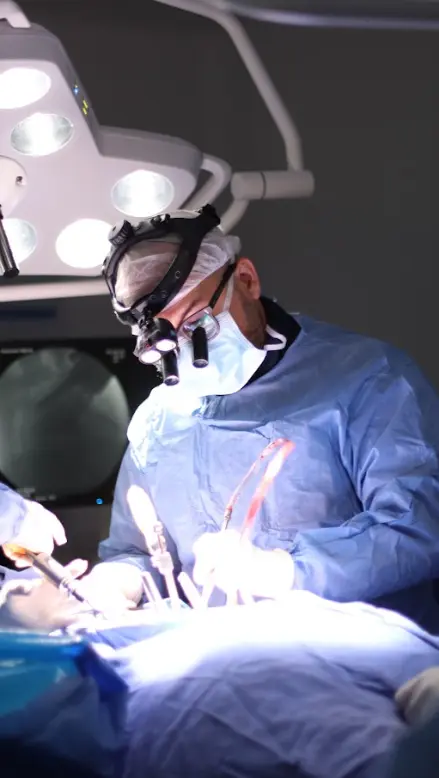
At SpineAx, we understand that choosing spine surgery in Colombia is not just a medical decision. It is a personal one. Our team brings together specialists in spine surgery and neurosurgery with training, clinical experience, and judgment needed to treat a wide range of spinal conditions, from disc herniation and stenosis to scoliosis, instability, and other complex cases. Every patient is evaluated individually, because the right surgical plan should never be generic. It should be built around the diagnosis, the symptoms, and the goals of the person behind the case.
What truly defines SpineAx is not only the procedure itself, but the way we care for patients throughout the entire journey. We believe in clear communication, thoughtful planning, and close support before, during, and after surgery. For both local and international patients, that means a more personal experience, a more organized process, and the confidence of knowing they are being cared for by a team that values expertise as much as human connection. For patients looking for affordable spine surgery, trusted specialists, and a well-structured path to treatment, SpineAx offers a strong and reassuring option in Colombia.
Frequently Asked Questions About Spine Surgery in Colombia
Is spine surgery in Colombia safe?
Safety depends less on the country itself and more on the quality of the medical team, the hospital environment, the accuracy of the diagnosis, and the way the case is planned. Colombia has become an attractive option for international patients because it offers access to highly trained specialists, modern medical infrastructure, and a more coordinated treatment experience. When patients choose an experienced team with a strong clinical approach, spine surgery in Colombia can be a safe and reliable option.
At SpineAx, safety begins long before the procedure. It starts with a careful evaluation, a clear diagnosis, appropriate surgical planning, and close follow-up after treatment. That full process is what helps reduce uncertainty and supports better outcomes.
How do I know whether I need spine surgery or non-surgical treatment?
Not every spinal condition requires surgery. Many patients improve with conservative care such as physical therapy, medication, injections, rehabilitation, or activity modification. Surgery is usually considered when symptoms persist despite appropriate non-surgical treatment, when nerve compression is causing weakness or loss of function, or when there is instability or deformity that is unlikely to improve on its own.
The key is proper evaluation. The decision should be based on symptoms, physical examination, imaging studies, response to previous treatment, and the impact the condition is having on daily life. A good specialist will not recommend surgery simply because an MRI shows a problem. The recommendation should only come when the diagnosis and the expected benefit of surgery are clear.
What is the difference between spine surgery, spinal surgery, and back surgery?
In many cases, these terms are used interchangeably, but they are not always identical in tone or precision. Spine surgery and spinal surgery are more medical and technically accurate terms. They refer to procedures performed to treat structural or neurological conditions affecting the spine. Back surgery is more common in everyday language and is often how patients describe the same general idea.
For a patient, the most important point is not the wording but the diagnosis behind it. Surgery for a herniated disc, spinal stenosis, scoliosis, or instability may all fall under the broader category of spine surgery. What changes is the condition being treated and the surgical goal.
What conditions can be treated with spinal surgery in Colombia?
A wide range of conditions can be treated with spinal surgery in Colombia, depending on the patient’s diagnosis and symptoms. Common examples include herniated discs, spinal stenosis, scoliosis, degenerative disc disease, spinal instability, and chronic nerve compression. Some patients need decompression to relieve pressure on their nerves, while others need stabilization or deformity correction.
The right procedure depends on the specific problem being treated. That is why evaluation matters so much. Two patients with back pain may have completely different diagnoses and may need very different treatment plans. Good spine care is never one-size-fits-all.
What affects spine surgery cost Colombia?
The final cost depends on several medical and logistical factors. These can include the type of procedure, the complexity of the condition, the number of spinal levels involved, the technology required, the length of hospital stay, preoperative studies, postoperative follow-up, and the expertise of the surgical team. International patients may also have additional planning needs related to travel and recovery coordination.
That is why it is more useful to think about value rather than just price. A serious discussion about spine surgery cost Colombia should consider what the treatment includes, how carefully the case is being managed, and what kind of support the patient will receive before and after surgery.
Does more affordable spine surgery mean lower quality?
No. A more accessible overall cost does not automatically mean lower-quality care. In many cases, it reflects differences in healthcare economics, operating costs, and market structure rather than differences in medical expertise. Colombia can offer highly specialized care at a more competitive cost while still maintaining strong professional standards, advanced techniques, and a high level of patient attention.
The important thing is to choose carefully. Patients should evaluate training, experience, communication, planning, and the quality of the institution and surgical team. True value comes from the combination of expertise, safety, support, and cost-effectiveness.
When is herniated disc surgery in Colombia usually recommended?
A herniated disc does not always need surgery. Many patients improve with medication, therapy, time, and structured conservative care. Surgery is usually considered when the disc is clearly compressing a nerve and symptoms remain severe, persistent, or progressive. This may include radiating pain in the arm or leg, numbness, tingling, weakness, or loss of function that does not improve with non-surgical treatment.
The main goal of herniated disc surgery in Colombia is to relieve nerve pressure and reduce symptoms caused by that compression. The decision should always be based on a clear connection between the imaging findings, the patient’s symptoms, and the physical examination.
What is spinal fusion in Colombia, and when is it used?
Spinal fusion in Colombia is a procedure used to stabilize part of the spine by helping two or more vertebrae heal together into a more stable unit. It is not necessary in every case, but it may be recommended when there is instability, deformity, certain degenerative conditions, or a need for stabilization after another spinal procedure.
Its role is to reduce abnormal motion in a spinal segment that is no longer functioning properly. In selected patients, this can help reduce pain, improve stability, and support a better long-term result. Whether fusion is appropriate depends entirely on the diagnosis and the structural needs of the spine.
What is recovery like after back surgery in Colombia?
Recovery varies from one patient to another. It depends on the type of procedure, the complexity of the condition, the patient’s overall health, and how the body responds after surgery. Some patients recover more quickly after smaller procedures, while others need a longer and more structured recovery period, especially after more complex surgeries.
In general, recovery may include early mobilization, follow-up visits, wound care, activity restrictions, and in some cases physical rehabilitation. Good recovery is not just what happens after surgery. It also depends on proper preparation before surgery and clear guidance afterward. That is why close medical follow-up is so important.
How do I choose the best spine surgeon Colombia for my case?
The best spine surgeon Colombia for a patient is not simply the most visible name. It should be a specialist with the right training, experience in the specific condition being treated, strong clinical judgment, and a clear, patient-centered approach to care. Patients should look for someone who explains the diagnosis clearly, recommends treatment thoughtfully, and builds a plan based on the individual case rather than a routine template.
It is also important to look beyond the surgeon alone. Spine care works best when it is supported by a strong team, careful planning, and a clear path through evaluation, surgery, and recovery. For international patients especially, communication and coordination are just as important as surgical skills.
Why do international patients choose SpineAx for spine surgery in Colombia?
International patients often choose SpineAx because they are looking for more than a procedure. They want expert care, clear guidance, thoughtful planning, and the confidence of knowing they are being supported throughout the process. SpineAx brings together specialists in spine surgery and neurosurgery with experience treating a broad range of spinal conditions, always with an individual approach.
Just as importantly, the experience is designed to feel organized and personal. From evaluation to recovery, patients are guided with clear communication and close support. For many people considering spine surgery in Colombia, that combination of medical expertise, human care, and structured follow-through makes a meaningful difference.
References
- León, J. F. R., Cuéllar, G. O. A., Martínez, C. R., & Ortíz, J. G. R. (2019). Impacto de la cirugía mínimamente invasiva en cirugía de columna. Medicina, 41(2), 145-155.
- Mezzadri, J. J. (2007). «Educar» en cirugía de columna. Revista argentina de neurocirugía, 21(2), 0-0.
- Ahmadi SM, et al. (2022). Minimally invasive versus open lumbar spinal fusion: a matched study investigating patient-reported outcomes. Journal of Neurosurgery: Spine, 36(5), 791–799. PMID 34905727.
- Lu VM, et al. (2017). Minimally Invasive Surgery Versus Open Surgery Spinal Fusion for Spondylolisthesis: A Systematic Review and Meta-analysis. Spine, 42(3), E177–E185. PMID 27285899.
- Gadjradj PS, et al. (2020). Percutaneous Endoscopic Lumbar Discectomy: Indications and Complications. Pain Physician, 23(1), 49–56. PMID 32013278.
- Debono B, et al. (2021). Consensus statement for perioperative care in lumbar spinal fusion: Enhanced Recovery After Surgery (ERAS®) Society recommendations. The Spine Journal, 21(5), 729–752. PMID 33444664.
Medical disclaimer: This article is for informational and educational purposes. It does not replace consultation with a licensed spine surgeon or neurosurgeon. If you are considering spine surgery, book an in-person or video evaluation with a certified specialist. Individual outcomes, risks, and recovery times vary.


